Get Rodent Control Service
Rodent Control Service providers help property owners eliminate mice and rats, prevent infestations, and handle projects like trapping, sealing entry points, and pest removal.
Rodent control is an important consideration for property owners seeking to protect their spaces from unwanted pests. Whether dealing with signs of activity or proactively preventing infestations, understanding the options available can help ensure a safe and comfortable environment. Local contractors specializing in rodent management offer practical solutions tailored to the specific needs of homes and businesses in the area. Exploring these services can be a valuable step in planning effective pest prevention strategies.
For those considering rodent control work, comparing local service providers can help identify experienced and reliable options. Property owners often look into these services to address ongoing concerns or to establish preventative measures before issues arise. Continuing to explore available services can assist in making informed decisions about managing rodent presence and safeguarding property assets.
- Rodent Exclusion - needed when homeowners want to seal entry points to prevent rodents from entering the property.
- Infestation Removal - required when signs of rodent activity are detected inside or around a building.
- Baiting and Trapping - used when traditional trapping methods are necessary to control a rodent problem.
- Sanitation Services - essential for cleaning up after a rodent infestation to reduce health risks.
- Inspection and Monitoring - advised when ongoing assessment is needed to ensure rodents do not return.
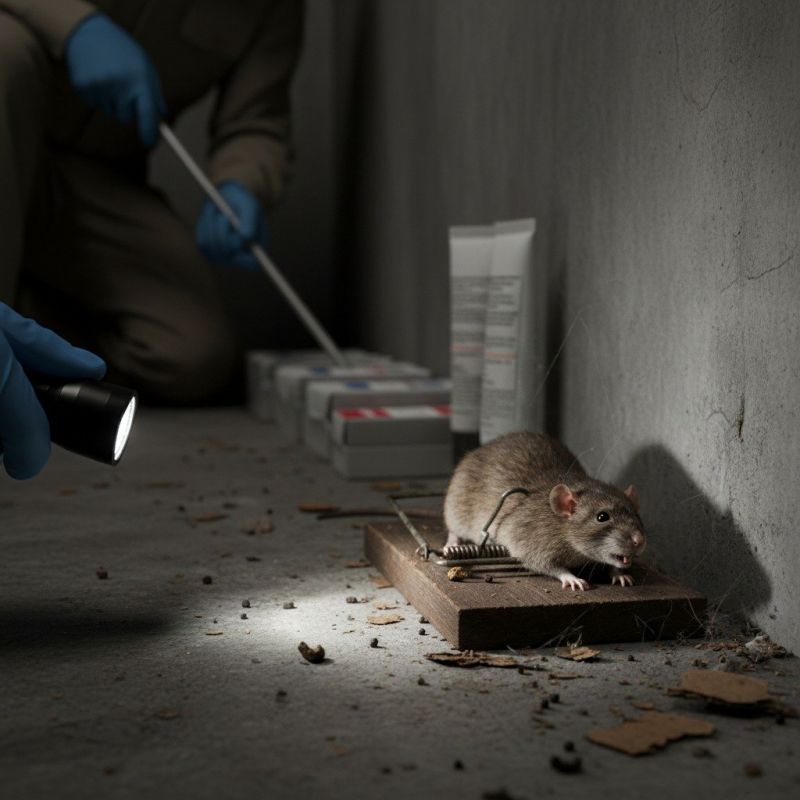
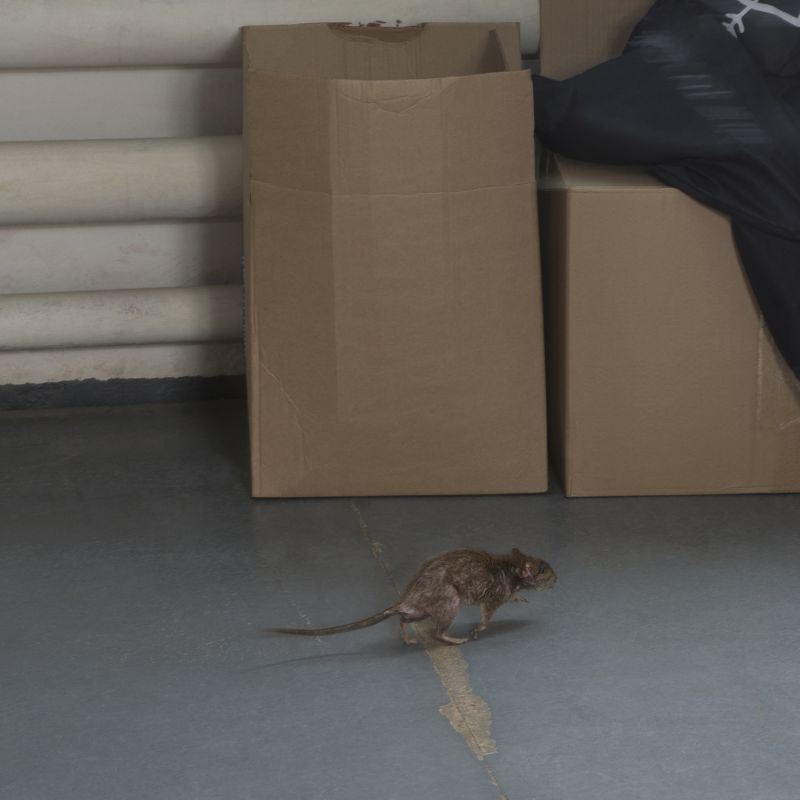
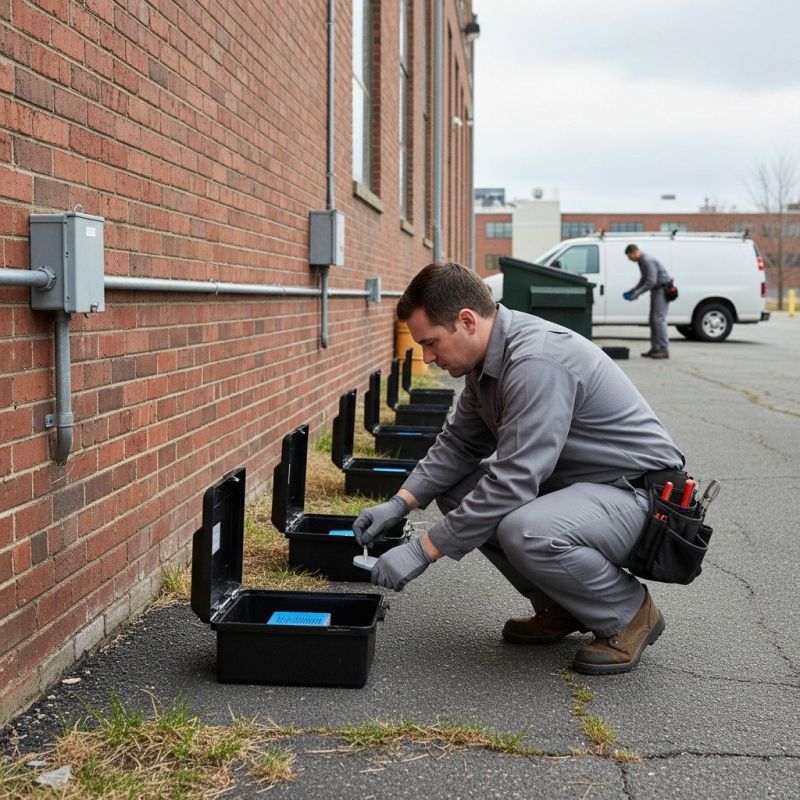
Rodent control services involve identifying and eliminating rodent infestations in residential and commercial properties. These services typically include thorough inspections to locate entry points, nesting areas, and signs of activity. Once the problem areas are identified, service providers implement targeted strategies such as trapping, baiting, and sealing entry points to prevent rodents from returning. The goal is to create a rodent-free environment by addressing both the current infestation and potential future entry points.
Rodent control helps solve a variety of common problems associated with rodents, including property damage, contamination, and health risks. Rodents can chew through wiring, insulation, and stored goods, leading to costly repairs and compromised safety. They also carry diseases and bacteria that can spread to humans and pets through droppings, urine, and nesting materials. Effective rodent control reduces these risks by removing the pests and implementing measures to keep them out, promoting a healthier and safer living or working space.
This type of service is often used in a wide range of properties, including single-family homes, apartment buildings, restaurants, warehouses, and retail stores. Homes with signs of rodent activity-such as droppings, gnaw marks, or unusual odors-are common candidates for treatment. Commercial properties, especially those involved in food storage or preparation, may require regular pest management to meet health standards and prevent infestations. Any property with access points or conditions conducive to rodent entry can benefit from professional control services.
Homeowners and property managers who notice signs of rodents or want to prevent future problems should consider reaching out to local contractors specializing in rodent control. These professionals can assess the specific needs of each property, recommend appropriate solutions, and implement effective treatment plans. Connecting with experienced service providers helps ensure that rodent issues are handled promptly and thoroughly, maintaining a safe and clean environment.
The overview below groups typical Rodent Control Service projects into broad ranges so you can see how smaller, mid-sized, and larger jobs often compare in your area.
In many markets, a large share of routine jobs stays in the lower and middle ranges, while only a smaller percentage of projects moves into the highest bands when the work is more complex or site conditions are harder than average.
Smaller Repairs - Typical costs for minor rodent control services range from $250 to $600, covering basic trapping and sealing. Many routine jobs fall within this range, especially for single-room or small-area treatments.
Standard Treatments - Mid-range projects usually cost between $600 and $1,200, including more comprehensive inspections and multiple treatment visits. These are common for residential properties experiencing ongoing rodent issues.
Extensive or Complex Projects - Larger jobs, such as attic infestations or multiple-unit buildings, can range from $1,200 to $3,000 or more. Fewer projects reach this level, but they are necessary for serious or widespread infestations.
Full Property Exclusion - Complete rodent exclusion and long-term prevention measures often cost $3,000 to $5,000+ depending on the property's size and complexity. These projects are less common but essential for preventing future problems on large or commercial sites.
Actual totals will depend on details like access to the work area, the scope of the project, and the materials selected, so use these as general starting points rather than exact figures.
Pest Inspection Projects - pest inspection projects involve identifying signs of infestation and assessing entry points, skills that are essential for effective rodent control services.
Wildlife Removal Projects - wildlife removal requires understanding animal behaviors and implementing exclusion techniques, which are similar to rodent exclusion strategies.
Property Damage Repair Projects - repairing damage caused by pests involves carpentry and sealing skills that can also be applied in rodent-proofing structures.
Sanitation and Cleanup Projects - sanitation projects focus on cleaning and decontaminating affected areas, a necessary step after rodent infestations are addressed.
Structural Inspection Projects - structural inspections identify vulnerabilities in buildings that rodents can exploit, aiding in prevention and control efforts.
Exclusion Installation Projects - installing barriers and sealing entry points to prevent pest entry is a skill shared with rodent exclusion services.
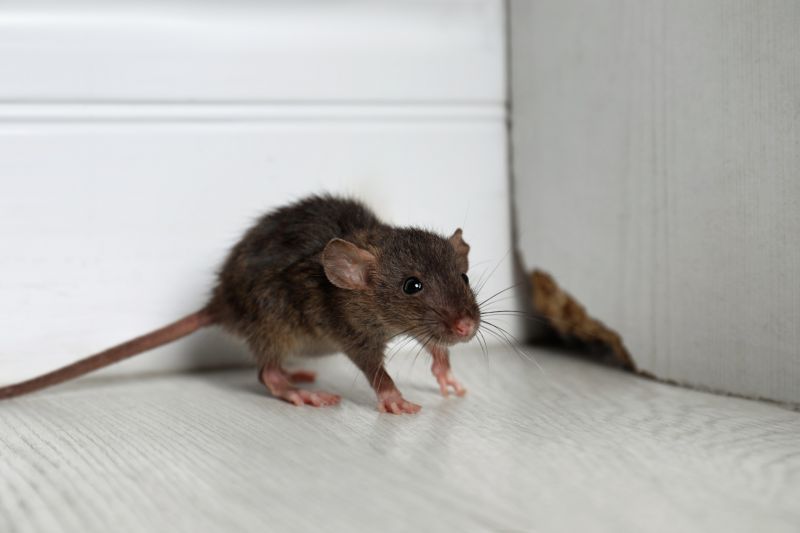
When comparing local contractors for rodent control services, it’s important to consider their experience with similar projects. Homeowners should inquire about how long a provider has been handling rodent issues and whether they have successfully addressed situations similar to their own. An experienced service provider is more likely to understand the common challenges involved and to have developed effective strategies for resolving rodent problems efficiently. This background can offer confidence that the contractor is familiar with the best practices for dealing with local rodent populations and specific property types.
Clear, written expectations are essential to ensure that both the homeowner and the service provider are on the same page. When evaluating options, it’s helpful to review the scope of work outlined by each contractor, including what methods will be used, what areas will be affected, and what results can be anticipated. Having detailed, written information prevents misunderstandings and provides a reference point for assessing whether the proposed approach aligns with the homeowner’s needs. Reputable service providers typically communicate these expectations transparently, fostering trust and clarity throughout the process.
Reputable references and good communication are key factors in selecting a reliable contractor. Homeowners should seek out local pros who can provide references from previous clients with similar projects, offering insight into their professionalism and effectiveness. Additionally, clear and prompt communication during the inquiry process can indicate how well a contractor will manage ongoing interactions. A service provider who is responsive and transparent about their services is more likely to deliver a smooth, satisfactory experience. It’s worth noting that this site introduces homeowners to local options to connect with qualified service providers, but it does not perform the work itself.
Property owners use Rodent Control Service services for practical projects around their homes and businesses. This guide focuses on everyday jobs and straightforward project options.

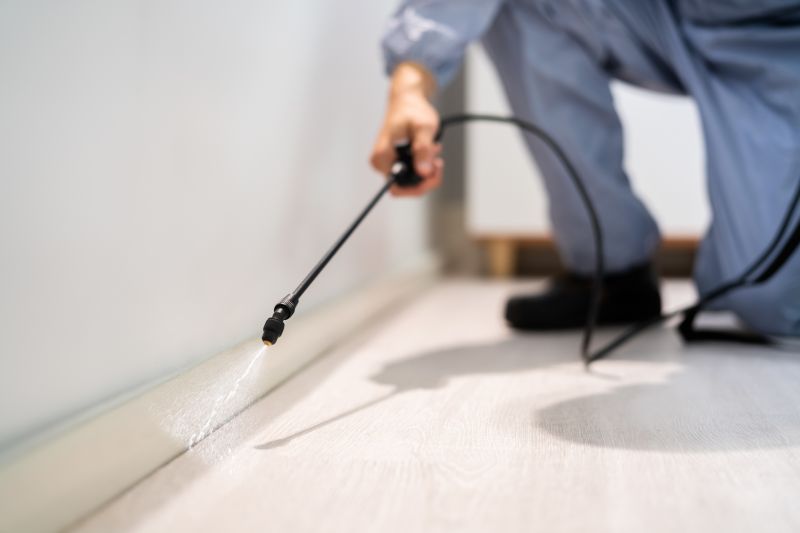
Rodent control services are often sought after by property owners dealing with unwanted pests in residential or commercial spaces. Common situations include noticing droppings, strange noises, or signs of gnawing, which can indicate an active rodent problem. Local contractors can help address these issues by implementing effective trapping, sealing entry points, and advising on preventive measures to keep rodents from returning.
Many property owners look for rodent control solutions to protect their buildings and maintain a clean, safe environment. Factors such as seasonal increases in rodent activity, previous infestations, or new construction that exposes entry points can prompt the need for professional assistance. Service providers in the area can assess the situation and tailor pest management plans to suit the specific needs of each property.
What types of rodents do pest control services typically target? Local contractors usually handle common pests such as mice, rats, and other small rodents that invade residential or commercial properties.
How do professionals identify rodent infestations? Service providers often conduct thorough inspections to locate signs like droppings, gnaw marks, nesting materials, and entry points to confirm rodent activity.
What methods are used to control rodent problems? Techniques may include trapping, baiting, sealing entry points, and sanitation advice to effectively reduce rodent populations.
Can pest control services prevent future rodent issues? Yes, local contractors can recommend and implement exclusion strategies to help prevent future invasions and maintain a rodent-free environment.
Are rodent control treatments safe for pets and children? Professionals use safe methods and products designed to minimize risks, but it's best to discuss specific concerns with the service provider before treatment.
Rodent Prevention Strategies - Property owners can implement sealing and sanitation tips to reduce entry points and attractants, helping to keep rodents out of homes and buildings.
Infestation Inspection Services - Local contractors can assess properties for signs of rodent activity, enabling timely intervention before issues escalate.
Exclusion and Barrier Installation - Service providers can install barriers around foundations, vents, and entry points to block rodents from accessing indoor spaces.
Ongoing Monitoring Solutions - Property owners can work with local pros to set up monitoring devices or regular inspections to detect rodent presence early.
If you are thinking about Rodent Control Service for a property, this guide is meant to help you understand the work, the typical project types, and how different options might fit your plans.
When you are ready, you can use the quote form on this page to share a few details about your project. From there, local pros can review the basics and respond with options that match what you have in mind.